
The Rise Of Burkina Faso
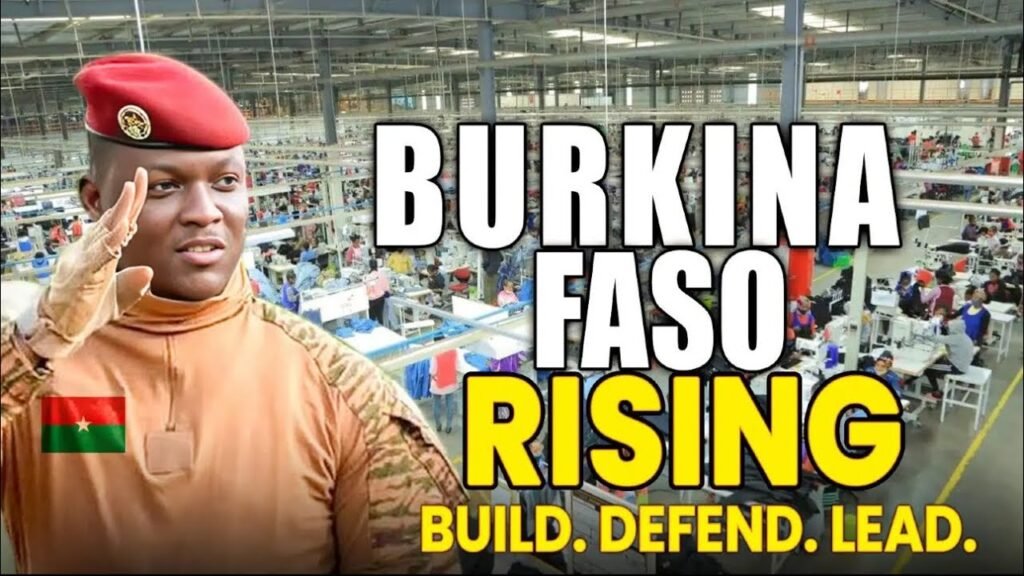
The Rise of Burkina Faso: A Beacon of Hope in Africa
Burkina Faso, a landlocked country in West Africa, has been steadily emerging as a noteworthy player in the region’s socio-economic landscape. With a population of approximately 21 million, this nation is often overshadowed by its neighbors but is increasingly gaining recognition for its resilience and potential.
Historically, Burkina Faso has faced numerous challenges, including political instability, economic hardship, and environmental issues. However, recent developments indicate a transformative phase for the country. The government has focused on implementing reforms aimed at enhancing governance, promoting economic diversification, and improving public services. These efforts have begun to yield positive results, positioning Burkina Faso as a rising star in Africa.
One of the key factors contributing to Burkina Faso’s ascent is its agricultural sector. The country is predominantly agrarian, with agriculture employing over 80% of the population. The government has prioritized agricultural modernization and sustainability, encouraging investment in irrigation, improved seed varieties, and access to markets. This focus not only aims to bolster food security but also to increase the country’s export capacity, particularly in cash crops like cotton and gold.
Moreover, Burkina Faso has made significant strides in education and healthcare, recognizing that human capital is vital for sustainable development. Initiatives to improve literacy rates and access to healthcare services have been implemented, fostering a healthier and more educated populace. These advancements are crucial for attracting foreign investment and fostering entrepreneurship, essential components for economic growth.
In recent years, Burkina Faso has also become a hub for regional cooperation and integration. As a member of the Economic Community of West African States (ECOWAS), the country is actively involved in collaborative efforts to promote trade and security in the region. This commitment to regional stability is essential, especially in light of the security challenges faced by several West African nations.
Furthermore, the rise of Burkina Faso is reflected in its vibrant culture and youthful population. The country is rich in cultural heritage, with a diverse range of ethnic groups contributing to its unique identity. This cultural dynamism, coupled with a youthful demographic, positions Burkina Faso to harness innovation and creativity in various sectors.
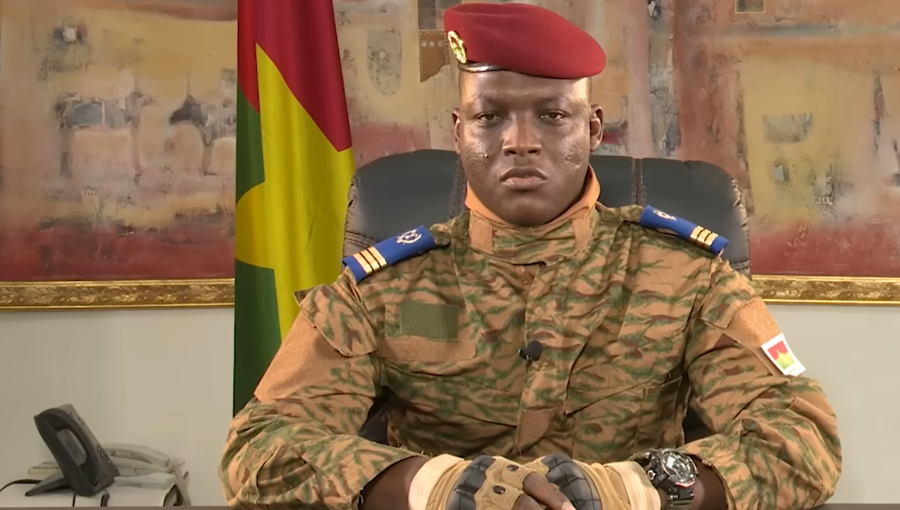
In conclusion, Burkina Faso is on a promising trajectory, demonstrating resilience and potential in the face of adversity. With continued focus on governance, economic diversification, and regional cooperation, Burkina Faso is poised to become a significant player in Africa’s development narrative. As the country navigates its path forward, it serves as a beacon of hope for other nations facing similar challenges on the continent.