Mali and Global Trade: Positioning a Nation at the Crossroads of Africa
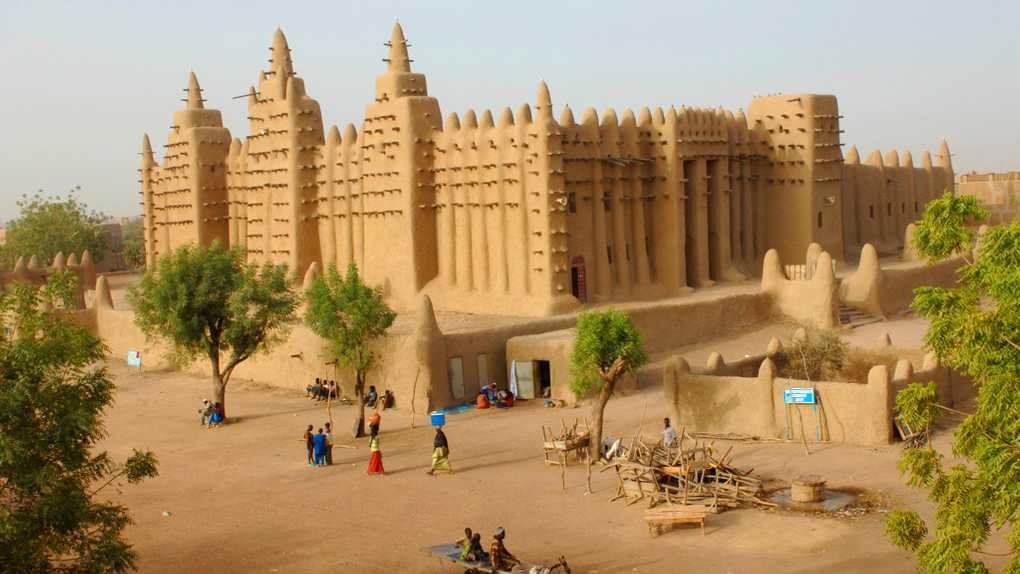
In conclusion, Mali’s emergence as a pivotal player in global trade underscores its strategic importance at the crossroads of Africa. The nation’s rich historical legacy, rooted in the ancient empires of Mali and Songhai, provides a profound context for understanding its contemporary role in international commerce. As we have explored throughout this article, Mali’s geographic location not only facilitates trade routes that connect North and West Africa but also positions it as a vital link to global markets.

The ongoing investment in infrastructure, such as roads, railways, and telecommunications, is critical for enhancing Mali’s trade capacity. These developments are essential for improving access to regional markets and fostering economic growth. Furthermore, Mali’s abundant natural resources, including gold, cotton, and livestock, present significant opportunities for export diversification. By leveraging these assets, Mali can attract foreign investment and stimulate domestic industries, ultimately contributing to sustainable economic development.
However, the challenges that accompany this rise cannot be overlooked. Political instability, security concerns, and climate change pose significant risks to Mali’s trade ambitions. It is imperative for the Malian government, alongside international partners, to implement effective policies that ensure stability and foster an environment conducive to trade. Strengthening governance, enhancing security measures, and promoting inclusive economic policies will be vital in navigating these challenges.
Moreover, Mali’s integration into regional trade agreements and its participation in initiatives such as the African Continental Free Trade Area (AfCFTA) will be crucial for expanding its market reach. By fostering collaboration with neighboring countries, Mali can enhance its trade network and create synergies that benefit the entire region.
In summary, Mali stands at a crossroads, with the potential to redefine its economic landscape through strategic engagement in global trade. As the nation continues to invest in its infrastructure and embrace opportunities for growth, it is essential to remain cognizant of the challenges ahead. With a concerted effort from both the government and its partners, Mali can harness its unique position to emerge as a beacon of trade and economic prosperity in Africa. The future of Mali is not just a national narrative but a story that resonates across the continent and beyond, highlighting the interconnectedness of nations in the ever-evolving global economy.