Discovering Niger: A Unique Blend of Heritage and Modernity
Introduction to Niger
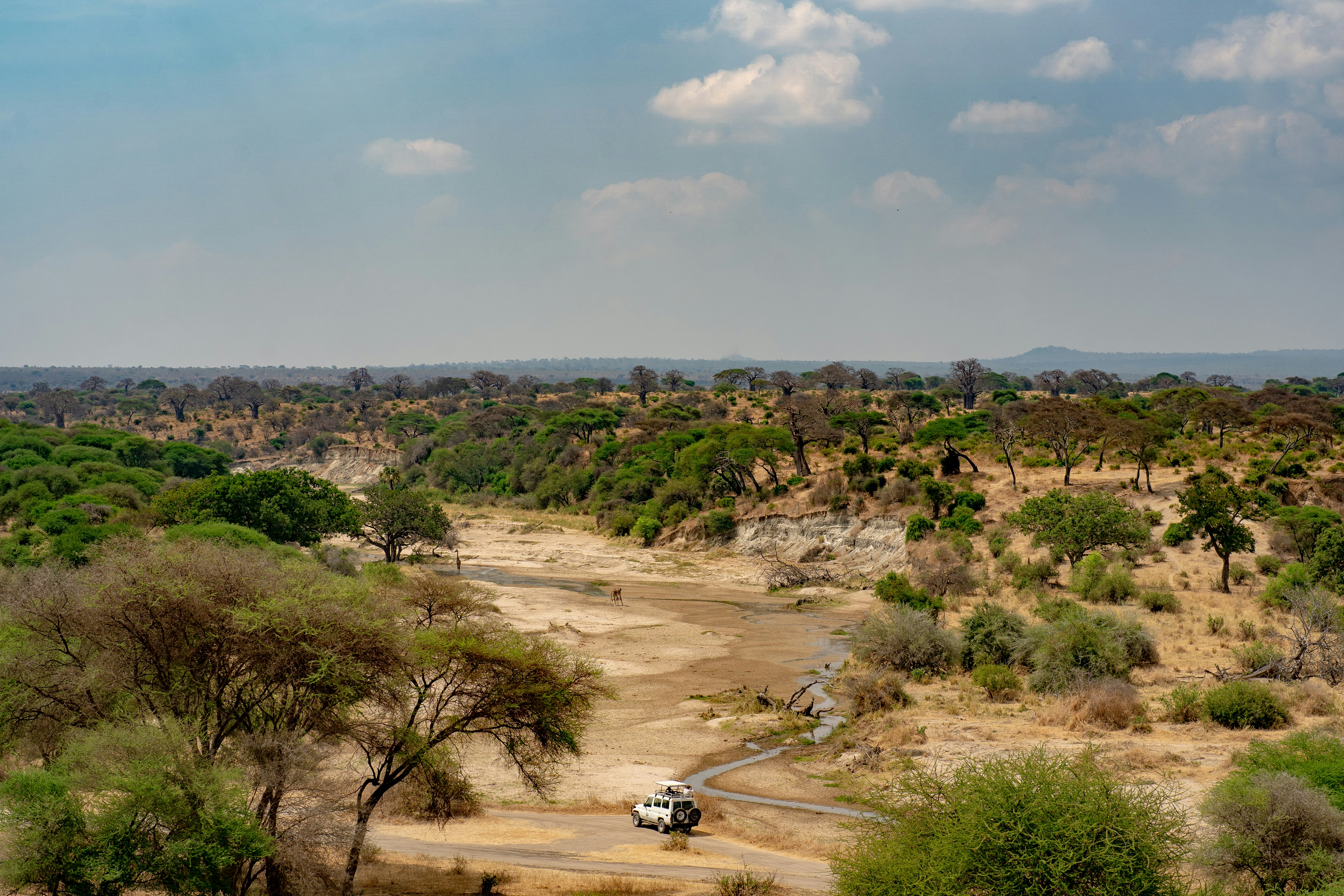
Niger is a landlocked country situated in West Africa, bordered by Libya to the northeast, Chad to the east, Nigeria to the south, Benin to the southwest, Burkina Faso to the west, and Mali to the northwest. Despite being one of the largest countries in Africa, with an area of over 1.27 million square kilometers, Niger is predominantly characterized by its arid terrain. The geography of Niger is notably diverse, encompassing the stunning Sahara Desert in the north, which is known for its vast sand dunes and unique ecosystems, as well as the fertile and lush river valleys provided by the Niger River and its tributaries.
The cultural significance of Niger is profound; it is a melting pot of various ethnic groups, including the Hausa, Zarma-Songhai, Tuareg, and Fulani, each contributing to the country’s rich tapestry of traditions, languages, and crafts. This remarkable diversity fosters a vibrant cultural scene, reflected in festivals, music, art, and cuisine. Niger’s cultural heritage is showcased in the well-preserved architectural marvels and historical sites, such as the ancient city of Agadez, known for its iconic adobe structures, and the remnants of the Songhai Empire, which once thrived in the region.
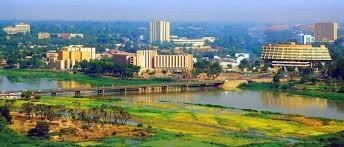
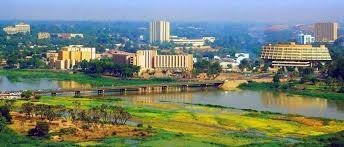
In addition to its historic elements, Niger is rapidly evolving, showcasing a unique blend of heritage and modernity. The capital city, Niamey, exemplifies this transition, combining traditional market scenes with contemporary developments. This duality is also evident in various cultural practices, where age-old customs coexist with modern lifestyles. As Niger strides forward, its unique landscapes and cultural richness continue to make it an intriguing destination for travelers and scholars alike, reaffirming its importance within the broader context of African identity.
Historical Background
Niger’s history is marked by a rich tapestry of cultures, encompassing ancient civilizations, colonial influences, and significant socio-political events that have molded its present-day identity. The early history of Niger can be traced back to ancient empires, notably the Songhai Empire, which flourished during the 15th and 16th centuries. This empire was instrumental in trade across the Sahara, fostering economic ties between North Africa and sub-Saharan regions, and contributing to the spread of Islam in the area.
As the Songhai Empire declined, Niger became influenced by various other empires and cultures, including the Kanem-Bornu Empire and later the Fulani Jihads in the 19th century. These influences introduced new political structures and social dynamics that altered the existing local governance. The 19th century signified a period of increased turmoil and transformation, as rival factions and foreign incursions began to reshape the political landscape.
The advent of European colonialism marked a pivotal change in Niger’s trajectory. In the late 19th century, France initiated its occupation, establishing control over Niger’s territories and blending colonial administrative systems with local customs. This era amplified the impact of external culture while attempting to suppress indigenous practices. Despite the challenges posed by colonization, the local population found ways to preserve critical elements of their heritage amid foreign domination.
Following World War II, a wave of nationalism began sweeping across African nations, leading to Niger’s independence from France in 1960. The transition to independence, however, was not devoid of challenges, as it catalyzed the emergence of various political regimes marked by coups and instability. Each of these transitions has further defined Niger’s national identity, weaving together its historic legacy with the demands of modern governance and development.
Cultural Heritage and Traditions
Niger is a nation where the beauty of its cultural heritage seamlessly merges with the stride of modernity. The country is home to over a dozen ethnic groups, including the Hausa, Zarma-Songhai, Tuareg, and Fulani, each contributing to the rich tapestry of Nigeriens’ cultural identity. These groups bring their unique languages, customs, and traditions, enriching the nation’s cultural landscape. French is the official language, but local languages such as Hausa and Zarma foster communication within diverse communities.
Traditional customs in Niger are integral to societal life, often expressed through vibrant festivals, music, art, and cuisine. Festivals such as the Cure Salée, celebrated by the Tuareg and Peul people, exemplify the enduring ties to tradition, as they reconnect with their pastoral roots through music, dance, and the celebration of livestock. Likewise, the annual Aïr Mountains Festival highlights the region’s cultural diversity, showcasing traditional music and dance, attracting visitors from all around the globe.
Music serves as an expressive outlet in Niger’s culture, with various genres reflecting the country’s multifaceted identity. Instruments like the traditional lute and various forms of percussion accompany songs that narrate tales of history and community. The acclaim for Nigerien art, particularly textiles and jewelry, also signals the importance of artisan crafts in daily life, where skilled craftsmen uphold age-old techniques, contributing to both economic sustenance and cultural representation.
Culinary practices in Niger further illustrate the cultural heritage that binds its people. Dishes such as “riz au gras” (rice with beef) and “foutou” (a dough-like dish made from yam or plantains) highlight the blend of indigenous ingredients and cooking techniques, revealing the agrarian society’s reliance on local produce.
In summary, Niger’s cultural heritage and traditions are a remarkable blend of diverse ethnic influences that create a unique identity, embodying the resilience and vitality of its people.
Economy and Daily Life
The economy of Niger is predominantly based on agriculture, which employs a significant portion of the population. Traditional livelihoods such as farming and herding are central to daily life. The agricultural sector is often characterized by subsistence farming, where families grow crops primarily for their own consumption. Major crops include millet, sorghum, and cowpeas, which are well-suited to the arid climate. Livestock herding, particularly of cattle, goats, and camels, also plays a vital role in the lives of many communities, providing not only food but also cultural significance.
Despite these traditional practices, Niger faces modern development challenges. Factors such as climate change, desertification, and political instability have adversely affected agricultural productivity. Consequently, the economy has also seen the emergence of other sectors, such as mining, which contributes to national revenue but often raises concerns regarding environmental impacts and sustainability. Efforts towards economic diversification are ongoing, yet substantial challenges remain.
Daily life in Niger reflects a blend of traditional and contemporary influences. Education remains a significant aspect of community life, with both formal and informal education systems in place. However, access to education can be limited, especially in rural areas, where cultural norms may prioritize agricultural work over schooling for children. Health services are also a pressing concern, as many residents face challenges in accessing quality healthcare. Community health initiatives are being introduced to tackle issues related to maternal and child health, along with nutrition.
Social life in Niger is rich and diverse, deeply rooted in cultural traditions. Community activities often revolve around festivals, markets, and religious events, forming the backbone of social interaction. These gatherings foster a sense of solidarity and allow for the exchange of goods, services, and ideas, thereby enriching both individual lives and the wider community. As Niger continues to navigate modern challenges, preserving cultural heritage alongside pursuing economic development remains a crucial balancing act.
Tourism Attractions
Niger is a remarkable destination that offers a unique blend of rich heritage and modern attractions, drawing visitors to its stunning landscapes and vibrant culture. One of the most iconic locations is the historic city of Agadez, which serves as a gateway to the Sahara Desert. Known for its distinctive architecture, including the famous Grand Mosque with its unique earth construction, Agadez offers visitors insight into the Tuareg culture and the history of this region. Exploring the bustling markets and engaging with local artisans can provide a genuine glimpse of the daily life and traditions.
The Sahara Desert itself is a major attraction, presenting a vast expanse of golden sand dunes and breathtaking vistas. Adventurous travelers can partake in camel trekking or experience the thrill of 4×4 excursions across the dunes. For a more relaxed experience, evenings spent under the starlit sky, with traditional music playing softly in the background, create unforgettable moments.
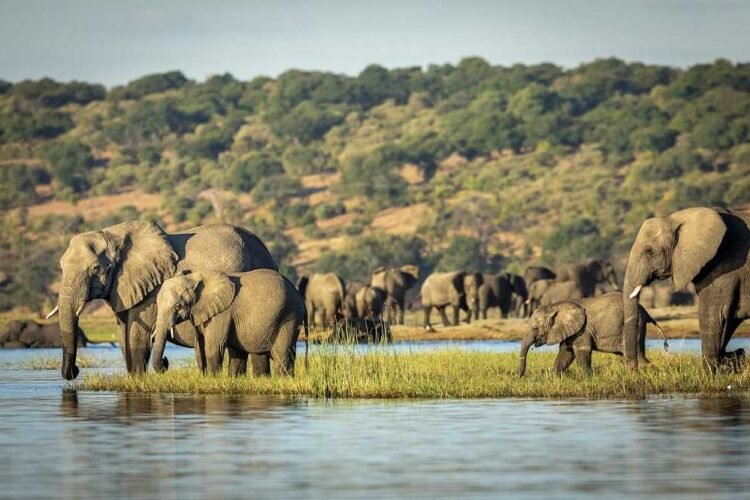
Another highlight of Niger’s tourism offerings is its remarkable national parks, such as W National Park. This UNESCO World Heritage site is known for its rich biodiversity and is home to various species, including elephants, lions, and hippos. Guided wildlife safaris provide an opportunity for visitors to observe the stunning flora and fauna in their natural habitats. Birdwatching, hiking, and cultural experiences with local communities enhance the appeal of this natural wonder.
Additionally, Niger’s tourism landscape includes engaging activities that cater to diverse interests, from guided tours that explore historical sites to thrilling adventure sports like rock climbing and sandboarding. Regardless of the type of journey one desires, Niger truly promises an unparalleled experience that harmonizes tradition and modernity.
Living in Niger: Challenges and Opportunities
Living in Niger as an expatriate or long-term traveler can be a unique experience filled with both challenges and opportunities. One of the primary challenges that newcomers often face is the state of infrastructure. Although major urban areas such as Niamey have seen improvements, many rural regions still struggle with inadequate roads, lack of reliable electricity, and intermittent water supply. These infrastructural issues can significantly affect daily life and may present hurdles for those unaccustomed to such conditions.
Healthcare is another significant consideration for individuals residing in Niger. While there are hospitals in urban centers, healthcare services may not always meet international standards, especially in more remote areas. Expats often find themselves relying on private clinics or traveling abroad for specialized treatments. It is advisable for newcomers to secure comprehensive health insurance and to familiarize themselves with both local healthcare options and emergency medical procedures.
Security is an essential aspect when discussing life in Niger. The country has faced security challenges, particularly due to regional instability and extremism. Expatriates are encouraged to stay informed about the latest travel advisories and to take necessary precautions when travelling, especially in border regions. Engaging with local communities and understanding the socio-political landscape enhances safety and aids integration.
Despite these challenges, living in Niger offers myriad opportunities for personal growth and cultural exchange. The country is rich in cultural heritage, providing residents with the chance to immerse themselves in vibrant traditions and diverse communities. Many expatriates participate in community service initiatives, fostering relationships with locals and contributing to development projects. Engaging in cultural festivals, culinary exchanges, and language learning not only enriches expatriates’ experiences but also paves the way for meaningful interactions and insights into Nigerien life.
Practical Tips for Visitors
When planning a visit to Niger, it is essential to consider several practical aspects to ensure a smooth and enjoyable experience. First and foremost, understanding the visa requirements is crucial. Most travelers require a visa to enter Niger, which can typically be obtained through the Nigerien consulate or embassy in their home country. It is advised to apply for the visa well in advance of the planned travel dates to avoid any last-minute issues.
Travel safety is another important consideration. While Niger is generally safe for tourists, specific areas may pose risks due to political instability or environmental factors. Travelers should stay informed about current conditions, adhere to local advice, and register with their embassy upon arrival. It is also recommended to avoid traveling at night and to use reputable transportation options, as road safety can vary.
Cultural etiquette is paramount in Niger, a nation rich in traditions and customs. Visitors are encouraged to dress modestly, particularly in rural areas, where women’s attire should cover the arms and legs. Greetings are significant in Nigerien culture, so taking time to greet individuals respectfully can go a long way in building rapport. Learning a few basic phrases in French or local languages such as Hausa or Zarma can also enhance communication and show appreciation for local customs.
For those interested in exploring the region comprehensively, hiring local guides or participating in organized tours is highly recommended. These guides not only offer valuable insights into Niger’s history and culture but also ensure that visitors experience the destinations safely and respectfully. Engaging with local expertise can also lead to discovering hidden gems that may not be highlighted in travel literature.
Interviews with Locals and Expats
Niger, a nation characterized by its rich cultural tapestry and vibrant traditions, presents a unique living experience for both locals and expatriates. Engaging with individuals from diverse backgrounds reveals fascinating perspectives on life in Niger, highlighting both the challenges and rewards of their respective experiences. Locals often share their deep-rooted connection to the land, emphasizing the significance of communal ties and traditions that have stood the test of time. These cultural values are pivotal in shaping daily life, as individuals navigate the complexities of modernity juxtaposed with age-old practices.
Expatriates, on the other hand, bring a different lens to the Nigerien experience. Many have come to Niger for professional opportunities—whether in sectors like international development, education, or business. They often describe their initial encounters with the culture as both enlightening and overwhelming. The cultural nuances, such as language barriers and differing social norms, present hurdles when adapting to life in Niger. However, many expats express a profound appreciation for the warmth and hospitality of the Nigerien people. This interaction fosters mutual understanding, where both parties learn from each other’s ways of life.
Notably, the collaboration between locals and expatriates often results in rich exchanges of ideas, creating a dynamic environment where cultural fusion becomes commonplace. Initiatives such as community projects and cultural events highlight this synergy, as residents and newcomers work side by side to address common challenges and celebrate Niger’s diverse heritage.
Through these interviews, it becomes evident that life in Niger is a continuous journey of adaptation and learning. Both locals and expatriates contribute to the country’s evolving identity, fostering a blend of heritage and modernity that makes Niger a unique place to live. Their experiences illustrate that embracing diversity and mutual respect can lead to a more profound understanding of the rich cultural landscape of this remarkable country.
Conclusion: Embracing the Nigerien Experience
In closing, Niger stands as a remarkable destination that seamlessly merges its rich heritage with the influences of modernity. This West African nation boasts a unique tapestry of cultures, traditions, and histories that are as diverse as they are captivating. Visitors are welcomed by the warmth of the Nigerien people, known for their hospitality and friendliness. This approachability invites travelers to engage authentically with the local communities, providing opportunities for immersive experiences that go beyond mere sightseeing.
The landscapes of Niger are equally impressive. From the mesmerizing expanse of the Sahara Desert to the lush banks of the Niger River, the natural beauty of the country is a sight to behold. Travelers can embark on adventures ranging from exploring ancient sites, such as the city of Agadez, to participating in vibrant cultural festivals that highlight the traditions and crafts of the various ethnic groups residing in the region.
As one embarks on a journey through Niger, it becomes evident that every corner of the country offers something unique. Whether it is the historical significance of its architecture, the tantalizing flavors of Nigerien cuisine, or the rich stories passed down through generations, each moment spent in Niger cultivates a deeper appreciation for its cultural identity.
For those seeking a travel experience steeped in authenticity and diversity, Niger presents an exceptional option. With every visit, there lies an invitation to discover personal stories, create lasting memories, and embrace a beautifully intricate blend of past and present. Ultimately, consider Niger not only as a destination but as a canvas upon which personal adventures can be painted, promising to be both enriching and transformative.